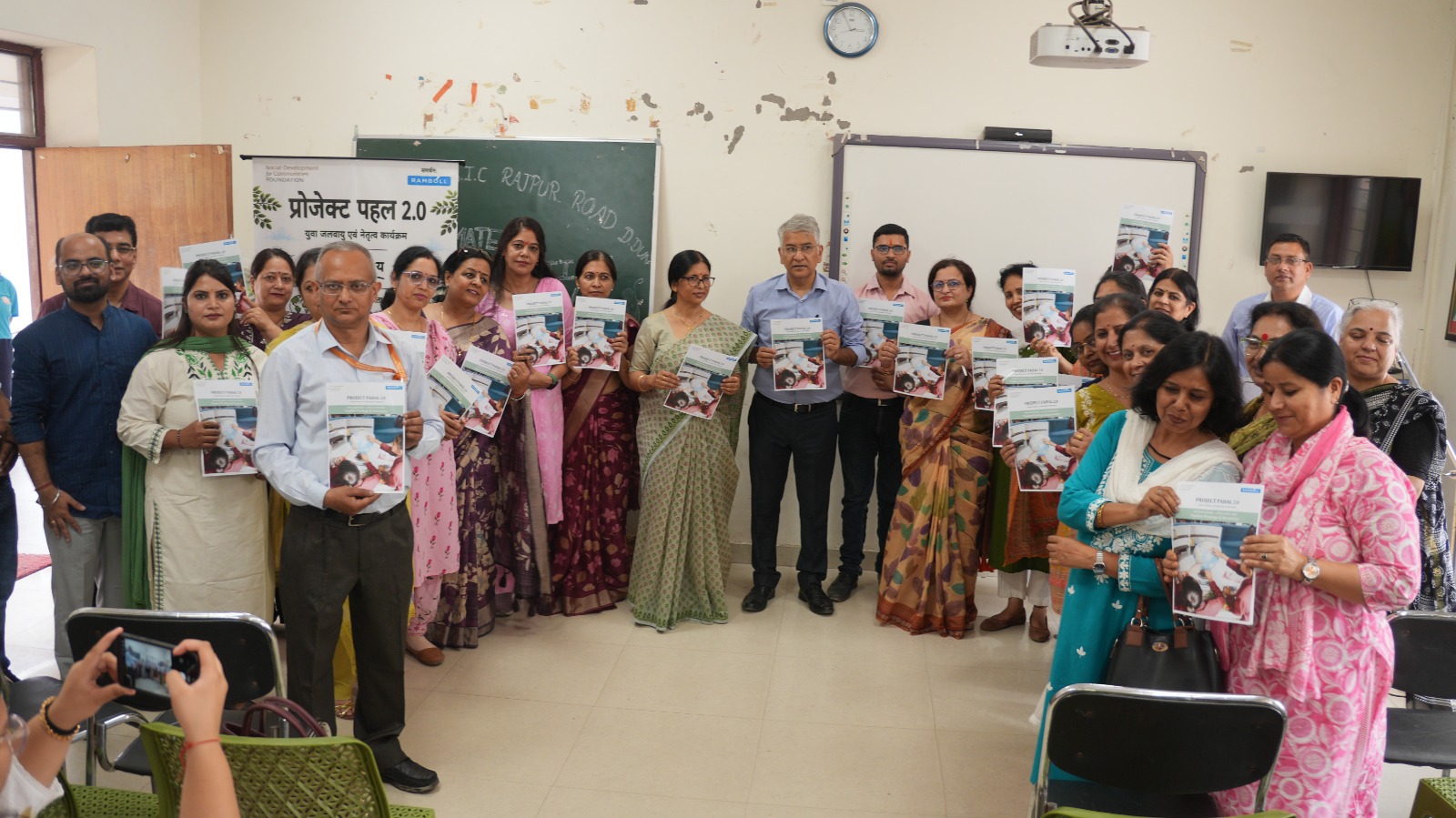
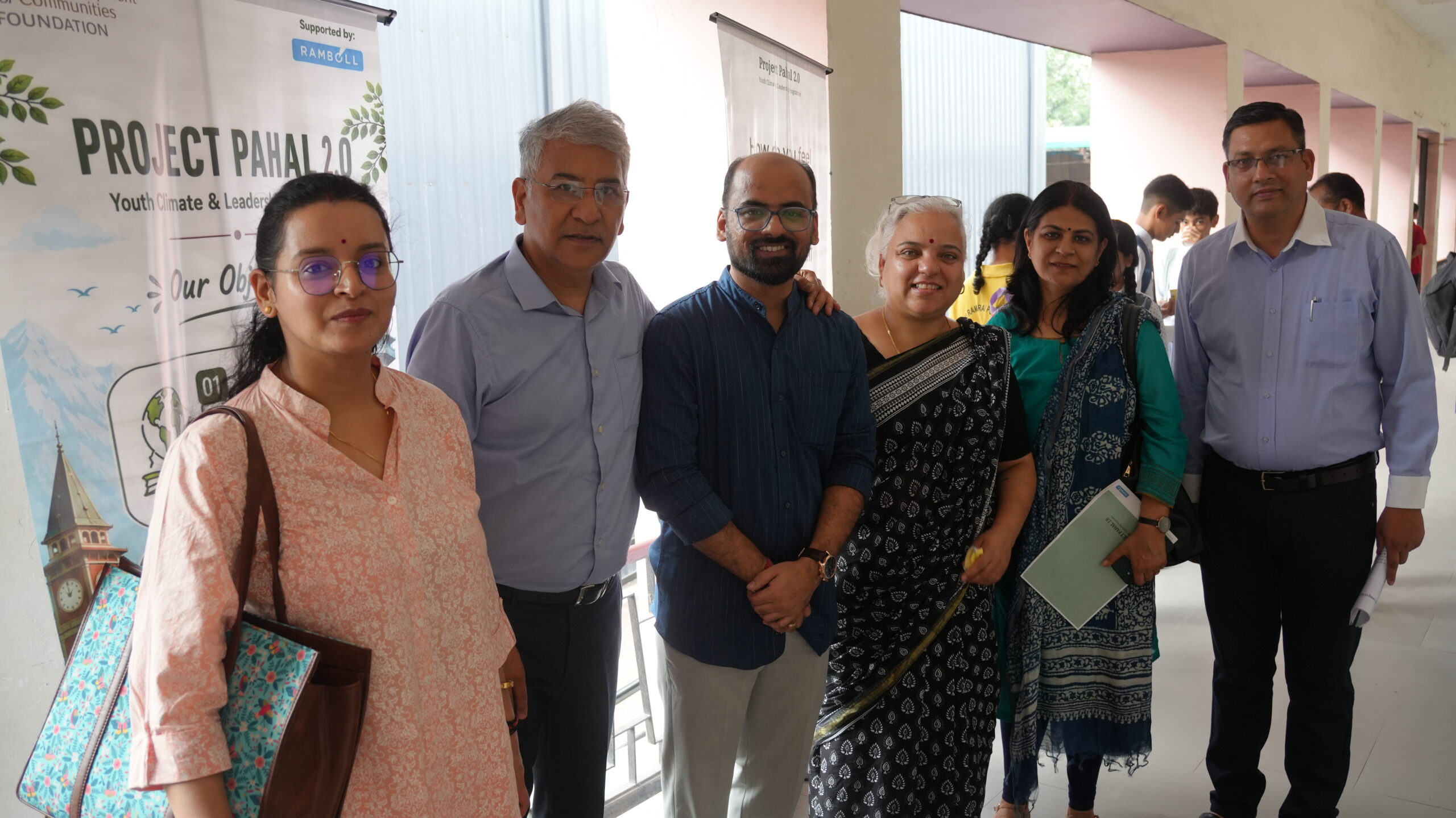
Climate change is reshaping life in Uttarakhand. From changing rainfall patterns and increasing forest fires to growing pressure on water resources and rapid urbanisation, young people are growing up in a world where environmental decisions will increasingly shape their future.
Schools have an important role in preparing students for these realities. However, climate education often remains limited to awareness campaigns or one-time activities, with few opportunities for students to explore how climate change connects with science, society, development, and public decision-making.
Project PAHAL 2.0 has been developed to bridge this gap.
Project PAHAL began with a simple belief: meaningful environmental change starts with informed young people.
Through the first phase, SDC Foundation worked with schools to introduce students to environmental challenges and encourage responsible citizenship through interactive learning experiences.
Project PAHAL 2.0 builds on these foundations by expanding the scope of learning. Instead of focusing only on awareness, the programme encourages students to investigate real-world climate challenges, analyse evidence, understand different perspectives and think critically about the future of their communities.
The design of the programme has also been informed by a baseline assessment conducted with more than 500 students, ensuring that the curriculum responds to the learning needs and interests of young people.
Project PAHAL 2.0 is an inquiry-based climate learning programme designed for students of Classes 9 and 11.
Rather than teaching climate change as an isolated environmental issue, the programme uses it as a lens to explore broader questions about development, governance, innovation, and sustainable futures.
Students will engage in interactive learning experiences that combine:
Students are encouraged not only to learn about climate change, but also to ask questions, investigate evidence, and develop informed perspectives on the issues shaping Uttarakhand.
Project PAHAL 2.0 follows an Inquiry-Based Climate Learning Model, where students become active participants in the learning process.
Through facilitated sessions, observation exercises, climate investigations, storytelling, collaborative discussions and interactions with practitioners, students explore how climate, forests, biodiversity, water, infrastructure and livelihoods are interconnected.
The programme introduces young people to systems thinking and encourages them to examine real-world development challenges through multiple perspectives rather than searching for simple answers.
By the end of the programme, students will be able to:
At SDC Foundation, we believe climate education should prepare young people not only to understand environmental challenges but also to navigate complexity, ask meaningful questions and participate thoughtfully in shaping the future.
Project PAHAL 2.0 is our effort to build a generation of informed, curious and responsible young citizens who can contribute to a more resilient and sustainable Uttarakhand.