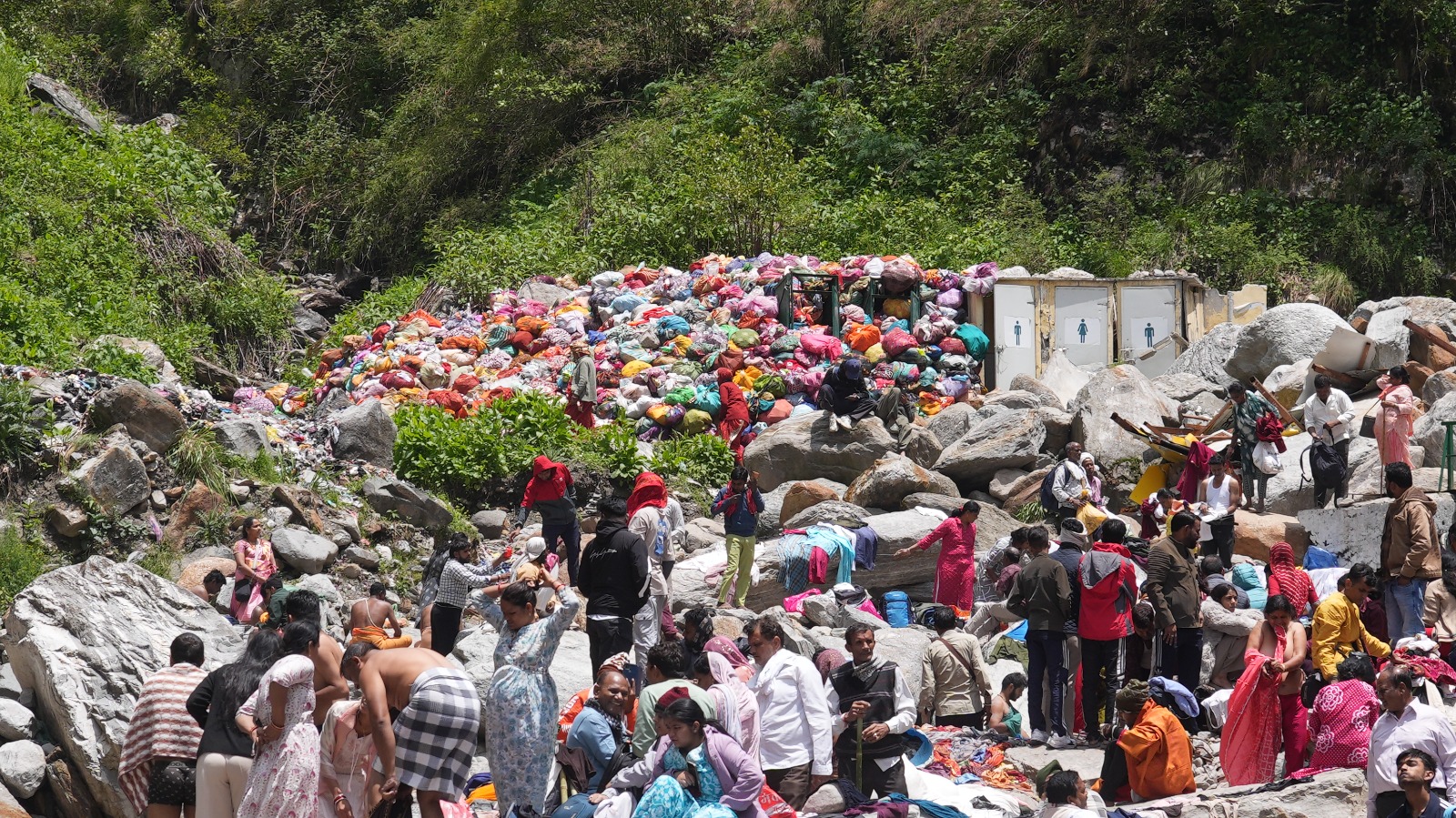
Plastic waste, discarded textiles, inadequate waste management systems, and rising visitor numbers have emerged as major environmental challenges along the Yamunotri and Gangotri corridors in Uttarakhand. Despite growing public concern over pollution during the Char Dham Yatra, there is still limited field-based evidence explaining how waste is generated, managed, and ultimately finds its way into these river systems.
To address this gap, SDC Foundation conducted a rapid on-field assessment across the Gangotri and Yamunotri pilgrimage corridors in collaboration with the National Institute of Urban Affairs (NIUA) under the National Mission for Clean Ganga (NMCG), Ministry of Jal Shakti, Government of India. The assessment forms part of the broader Urban River Management Plan (URMP) framework, which seeks to strengthen river conservation through evidence-based planning.
This assessment goes beyond documenting visible litter to examine the broader systems that shape environmental outcomes along the pilgrimage routes. Rather than treating plastic pollution as an isolated problem, the study explores how waste generation, collection, segregation, infrastructure, governance, local practices, and public behaviour collectively influence the health of these river ecosystems. The assessment also highlights an often-overlooked issue: the management of ritual textile offerings. Although increasingly common along Himalayan river corridors, these materials have received relatively little attention in environmental research.
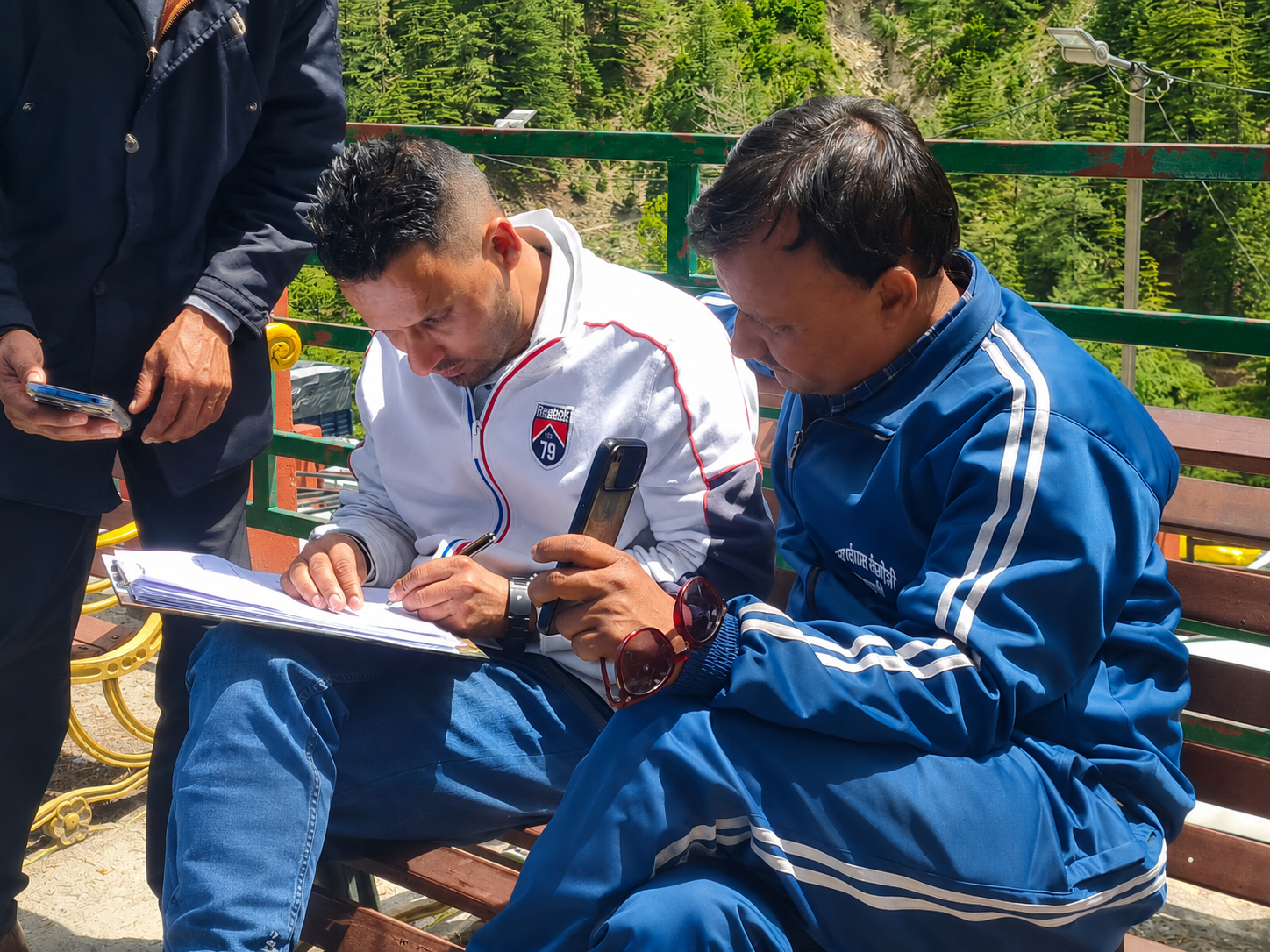
The field assessment was carried out during the peak Char Dham Yatra season in June 2026 across both pilgrimage corridors. Using a mixed-method approach, the study combined stakeholder interviews, field observations, geotagged documentation, and institutional consultations to develop a comprehensive understanding of on-ground waste management practices. More than 300 rapid assessments and observations were conducted with pilgrims, shopkeepers, sanitation workers, religious institutions, transport operators, and government officials, enabling the study to capture diverse perspectives on a shared environmental challenge.
The report examines several interconnected themes, including:
The final report has been submitted to NIUA and NMCG.