As I regularly go for my morning walks, one sight has been particularly distressing: forests turning into junkyards. Below the road I take lies a steep, forested valley that, much to the dismay of any concerned citizen, has become an easy dumping ground for waste.
Just a couple of days ago, I saw two cantonment workers carrying a heavy load of waste and throwing it down the valley. Nearly two weeks earlier, I witnessed a female worker throw a bag of waste down another slope.
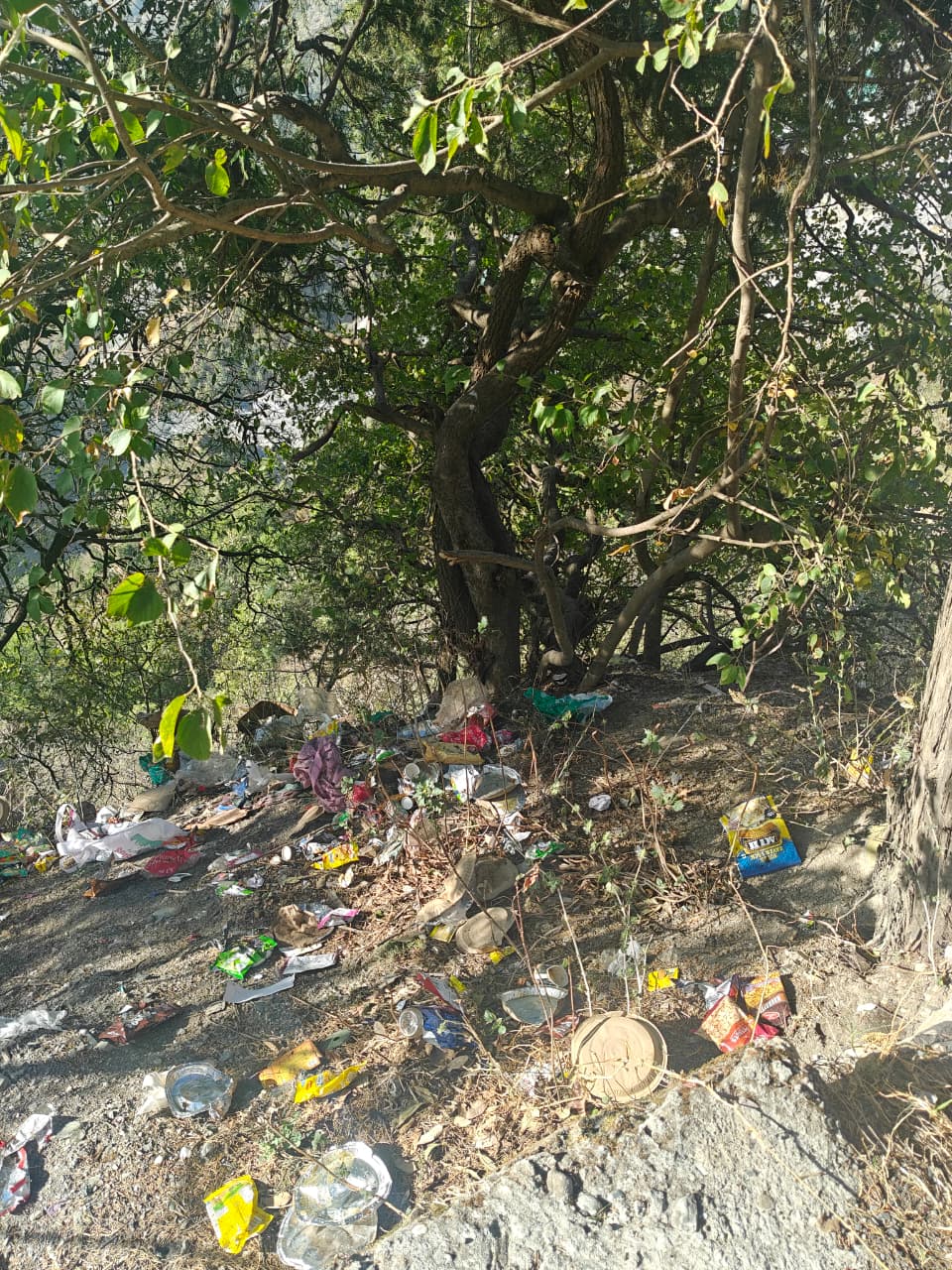
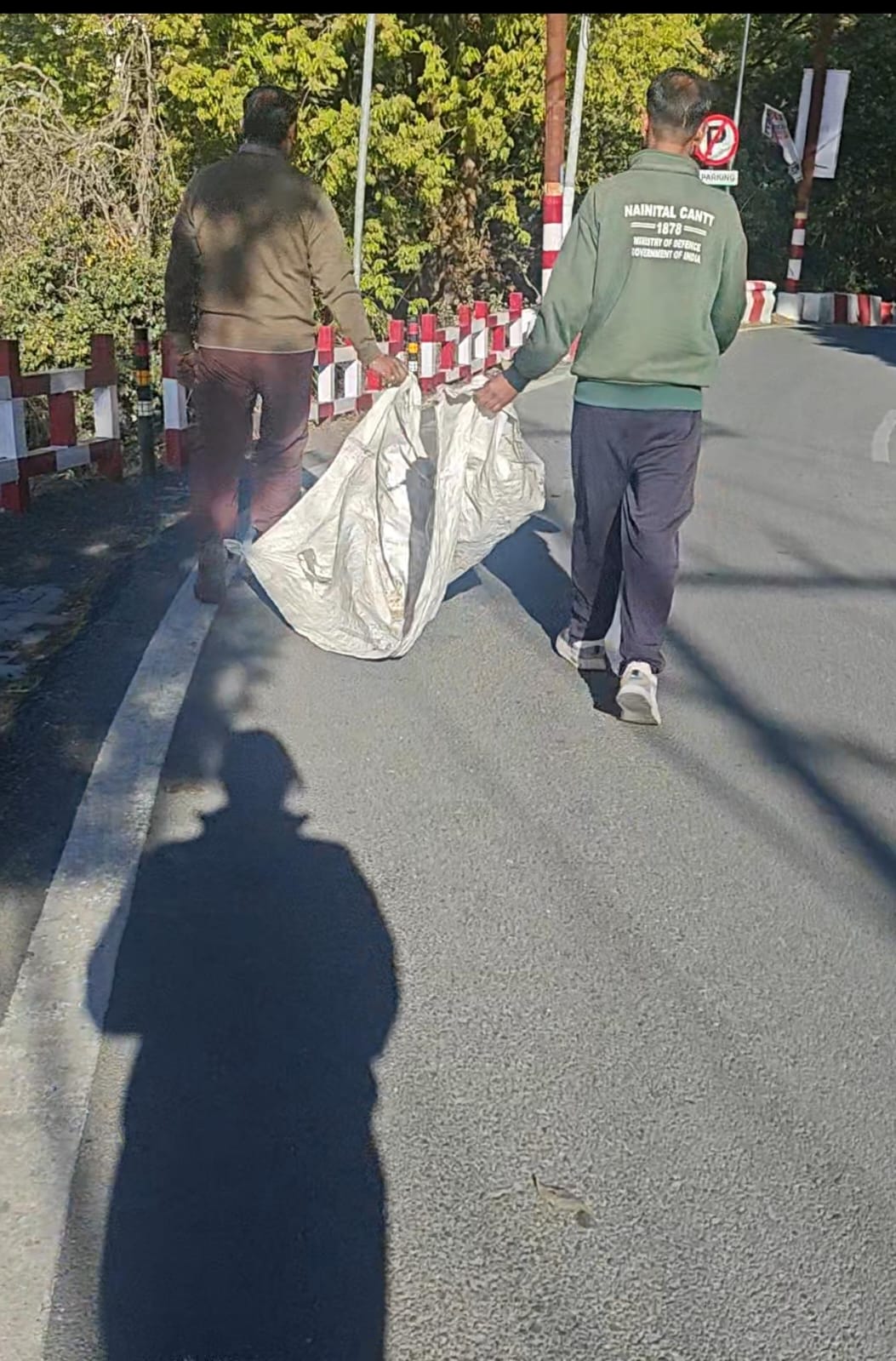
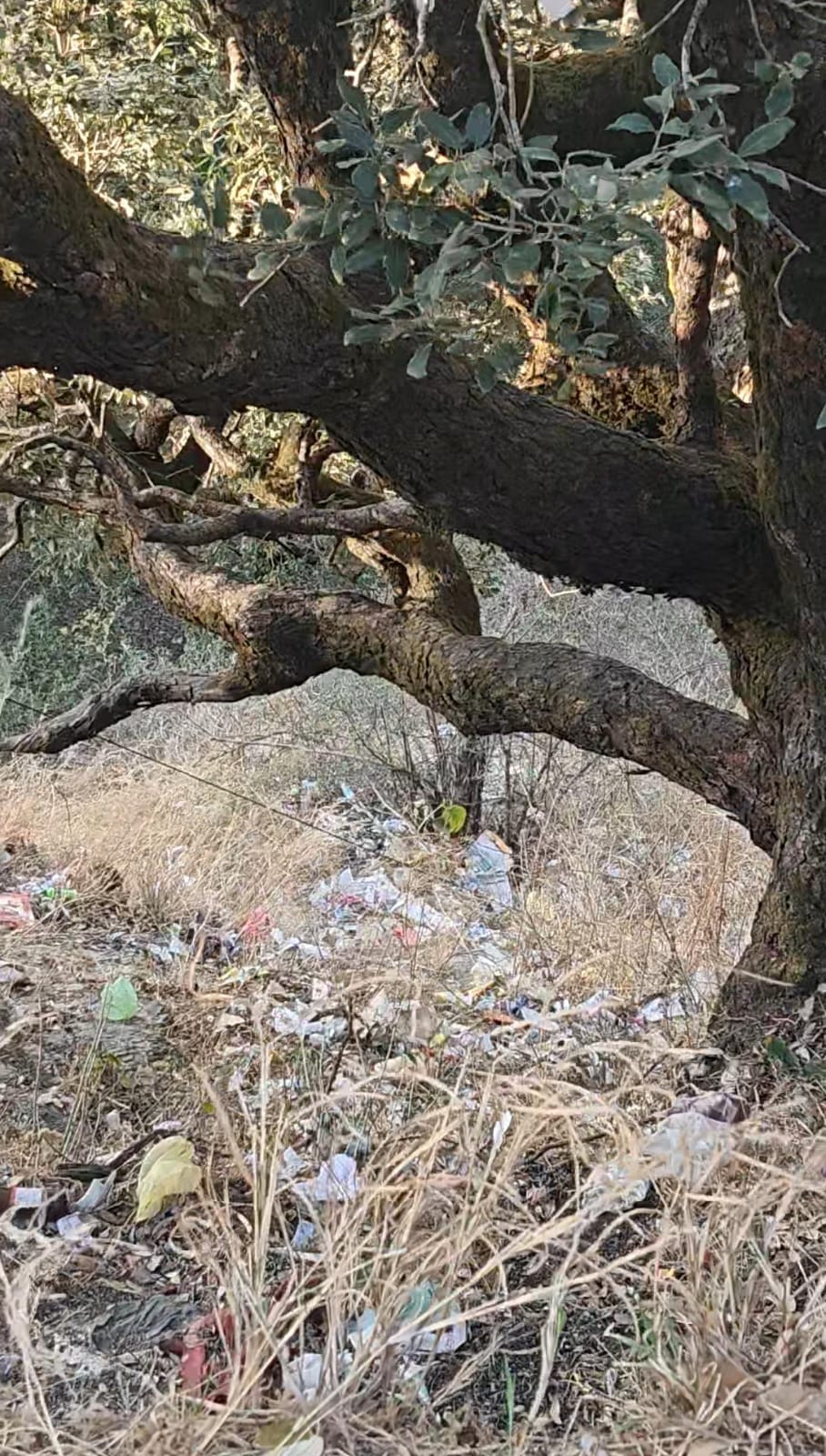
If one walks along this road, one encounters almost every kind of waste scattered across the area: plastic bags, plastic bottles, wrappers, discarded clothes, beer bottles, tobacco pouches, and more.
What is most disturbing is that the waste was dumped without the slightest hesitation, almost as though it were the most natural way to dispose of it. Workers, regular walkers, tourists, and even the administration pass along the road, admiring the picturesque landscape while ignoring the growing mess below.
This is the reality of Nainital Cantonment, one of the 61 cantonment boards functioning across the country, which has consistently ranked among the dirtiest cantonments in India. It ranked 61st out of 61 cantonments in the Swachh Survekshan 2023 rankings and 52nd out of 58 cantonments in 2024.
Cantonment areas are often associated with security, clean and wide roads, well-maintained parks, and significant green cover. Yet behind the façade of these orderly surroundings lies a beautiful valley slowly being buried under heaps of waste.
And the waste does not simply remain there. The plastic thrown into that valley begins a much longer and quieter journey of destruction. Animals scavenging through the waste may ingest plastic fragments, leading to choking, internal injuries, or even death. But even the plastic untouched by animals does not remain harmless. Over time, it breaks down into smaller fragments known as microplastics, particles less than 5 mm in size, and at that stage, the damage becomes less visible but far more pervasive.
These particles seep into the soil, disrupting tiny organisms such as earthworms, nematodes, and springtails that help keep the soil fertile and ecologically balanced. Microplastics also leach toxic chemicals such as bisphenol A and phthalates into the ground, which eventually find their way into water sources. And because plastic takes hundreds of years to fully decompose, the process does not stop; it continues to accumulate quietly beneath the picturesque landscape that people stop to admire along that road.
A couple of years ago, as part of cleanliness drives, households in the cantonment area were provided green and blue dustbins for waste segregation. Dustbins were also installed at regular intervals along the roads. Even today, sanitation workers collect waste regularly for a nominal annual fee of ₹100–120 per household.
However, collection alone is not a solution. A proper waste disposal and management system must be put in place. Collecting waste only to dump it into a forest does nothing for the environment. It merely shifts waste out of sight rather than ensuring its proper treatment and disposal.
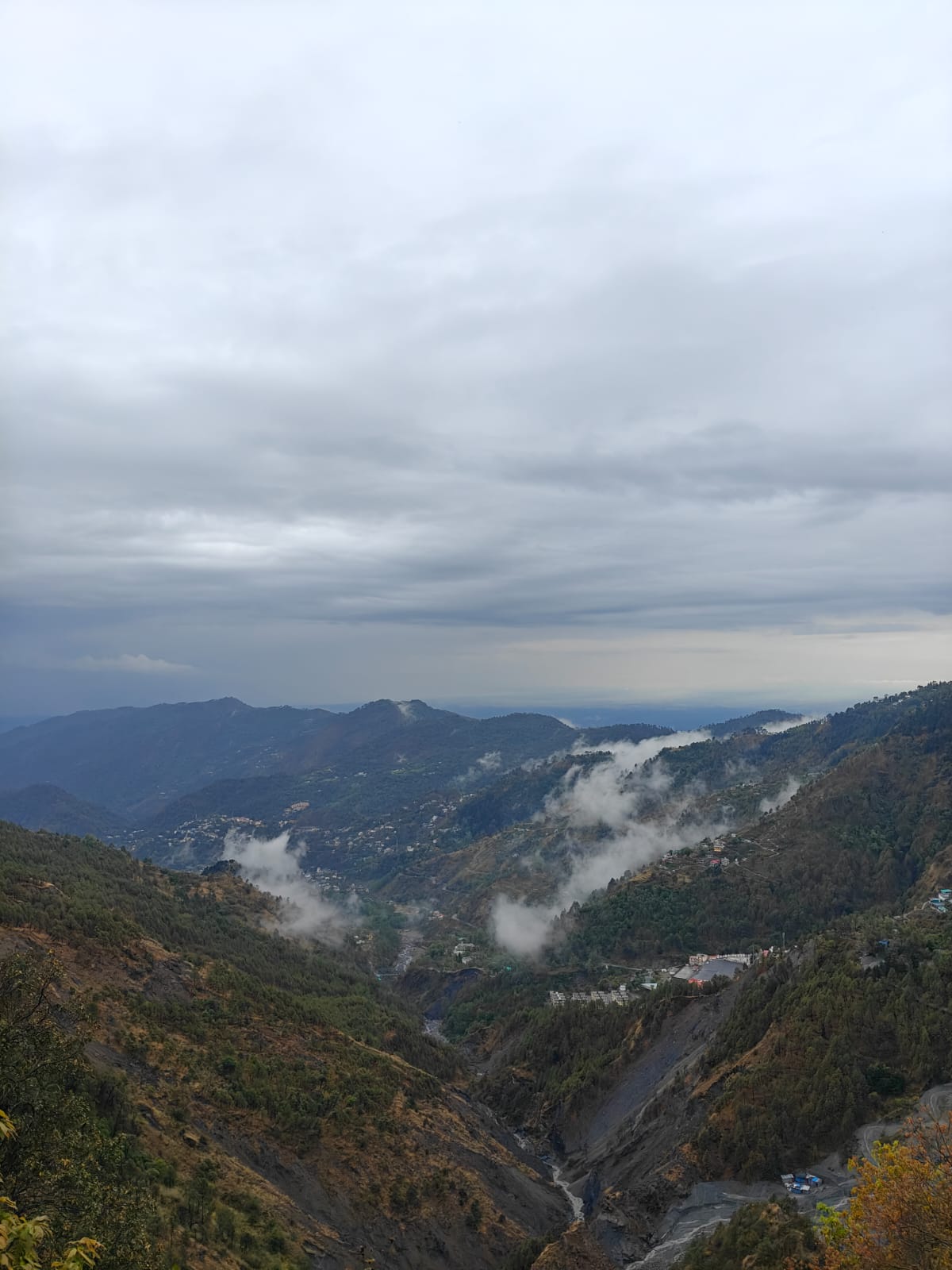
Unregulated tourism and poor waste management have undermined whatever measures were previously introduced. According to a Hindustan Times report, tourism department data shows that the city receives nearly 30,000 visitors daily during the peak season. This unregulated influx, coupled with inadequate infrastructure, has placed enormous pressure on the town’s ecology.
According to the 2023 Swachh Survekshan report, Nainital Cantonment performed poorly across several key parameters, recording 0% in both waste processing and dumpsite remediation. In the 2024 survey, while the score for cleanliness in residential areas increased from 20% to 100% and door-to-door waste collection improved from 20% to 74%, source segregation declined from 18% to 8%.
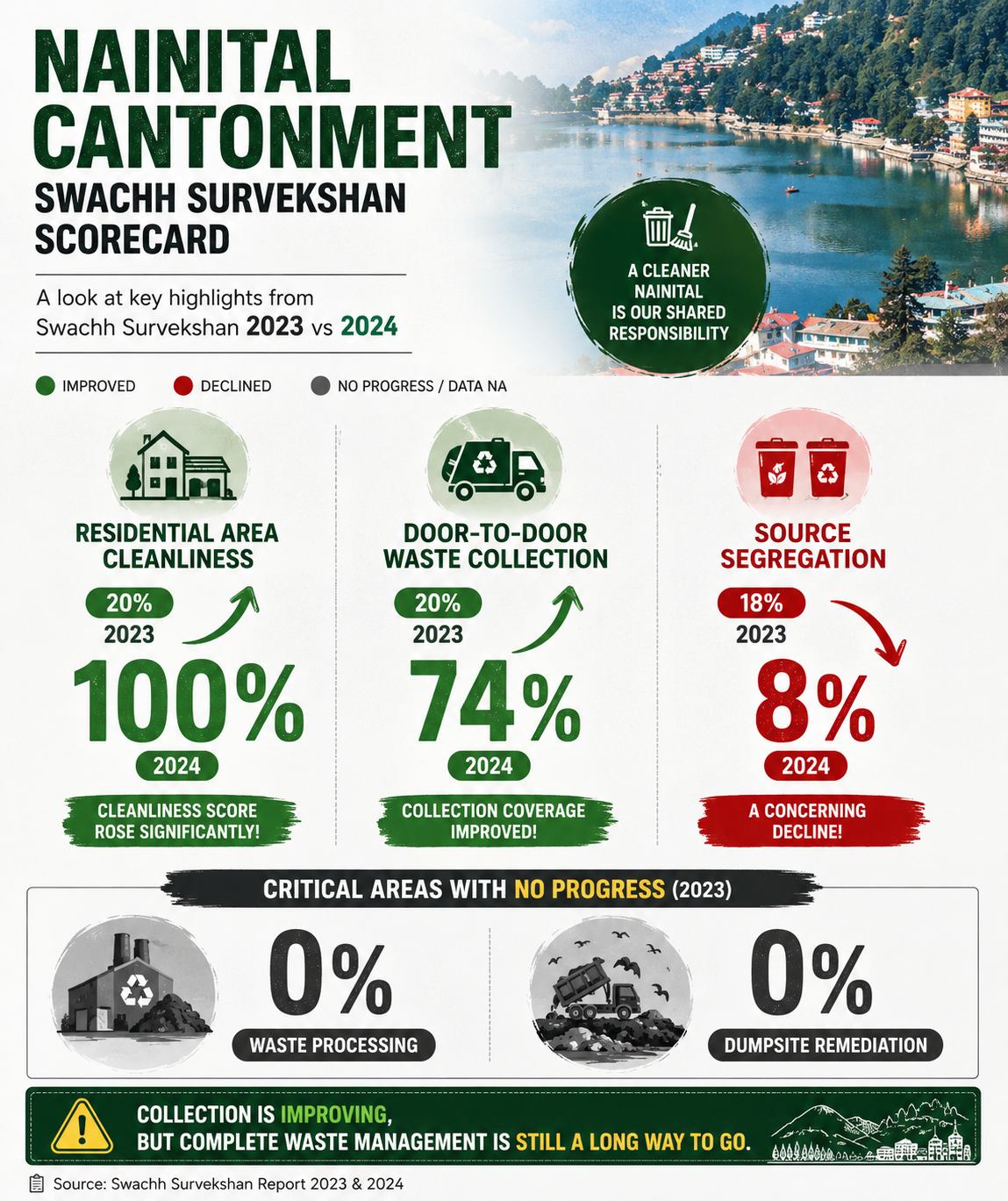
The absence of data in critical areas such as waste processing and dumpsite remediation in the 2024 survey points to deeper institutional gaps in monitoring and reporting. The comparatively better performance in visible sanitation, as opposed to structural waste governance, indicates a clear lack of long-term planning and systemic direction.
Perhaps the deeper problem is how inattentive and indifferent we have become towards our environment, and how normalised it has become to walk past heaps of waste without a second thought. The administration appears both under-resourced and directionless. The board has consistently invested in visible development projects such as gyms, parking facilities, better roads, and office renovations, but has given only marginal attention to waste management. This reflects a clear lack of sustained commitment to the long-term well-being of the environment.
The heaps of waste will continue to grow as long as the administration mistakes collection for management and visibility for cleanliness. For now, the valley will keep filling up, walkers will continue their morning routines, tourists will keep stopping to take photographs, and workers will continue dumping waste down the slopes without hesitation. The view from the road may remain beautiful, but the valley below tells a very different story.
Kriti Dalakoti is a Junior Research Fellow in Political Science at Soban Singh Jeena University, Almora. Her interests span electoral politics, democratic processes, governance, and environmental concerns.
Liked this blog? We urge you to support our ongoing advocacy and research efforts by donating us online here: