Cities that succeed in the 21st century are defined not only by the speed of construction but also by their ability to create environments where people, nature, and economies thrive together.
Dehradun stands at an important turning point. As the capital of Uttarakhand, it carries the responsibility of representing a young Himalayan state while responding to rapid urban growth, migration, infrastructure demands, and economic aspirations.
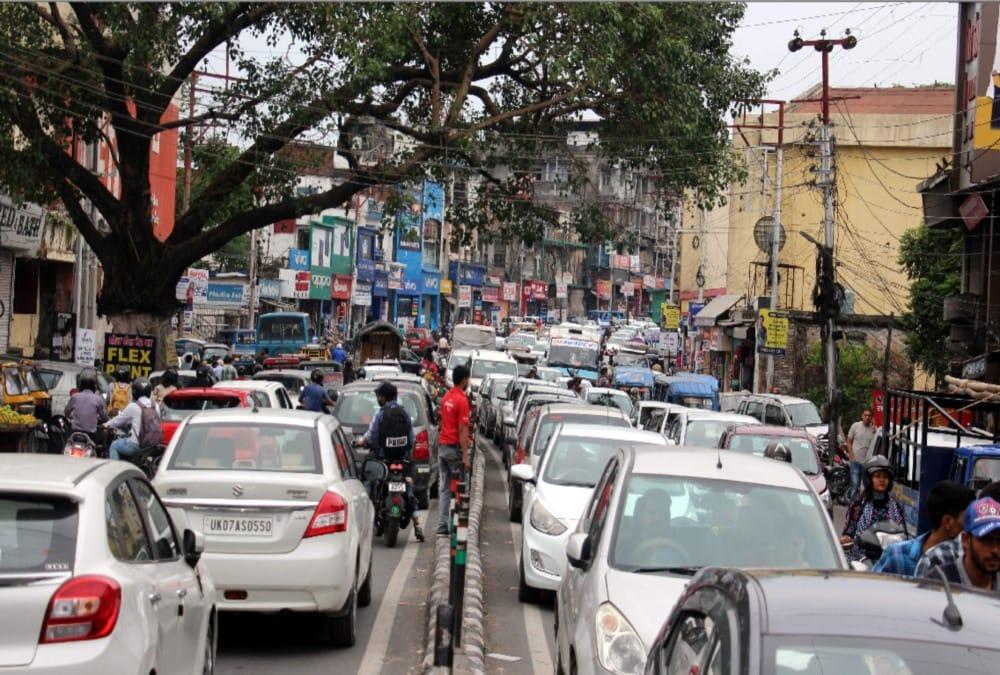
The challenge before the city is therefore not simply how to accommodate a growing population, but how to ensure that its growth strengthens ecological foundations, cultural identity, and long-term economic value.
Across the world, leading urban development authorities have increasingly recognised that landscape is not a luxury or merely an aesthetic addition. It is a form of urban infrastructure. Investment in parks, ecological corridors, water systems, and public spaces has become a strategy for improving quality of life, attracting talent, strengthening real estate value, and enhancing urban competitiveness.
Singapore's Urban Redevelopment Authority has placed greenery and ecological systems at the centre of its long-term development strategy, recognising parks, nature networks, and blue-green infrastructure as essential components of a liveable and economically competitive city. Its City in Nature approach integrates biodiversity, recreation, and urban development rather than treating them as separate concerns. Research has also shown that proximity to larger parks and natural areas can positively influence property values, demonstrating that ecological investment can generate measurable economic benefits.
Similarly, New York City has integrated green infrastructure into its climate and economic strategy. Urban forests, parks, and natural systems are valued not only for public wellbeing but also for reducing stormwater costs, improving environmental performance, and protecting urban assets. The city estimates that its trees provide significant environmental services through stormwater management, pollution reduction, and heat mitigation.
These examples offer an important lesson for Dehradun: investment in landscapes is not a constraint on development but a pathway to creating a more resilient and economically valuable city.
However, Dehradun cannot simply replicate global models. Its greatest strength lies in its own identity. The city sits within the Doon Valley, a landscape shaped by forests, rivers, agricultural systems, mountain culture, and centuries of interaction between communities and nature. Its future must emerge from these unique conditions.
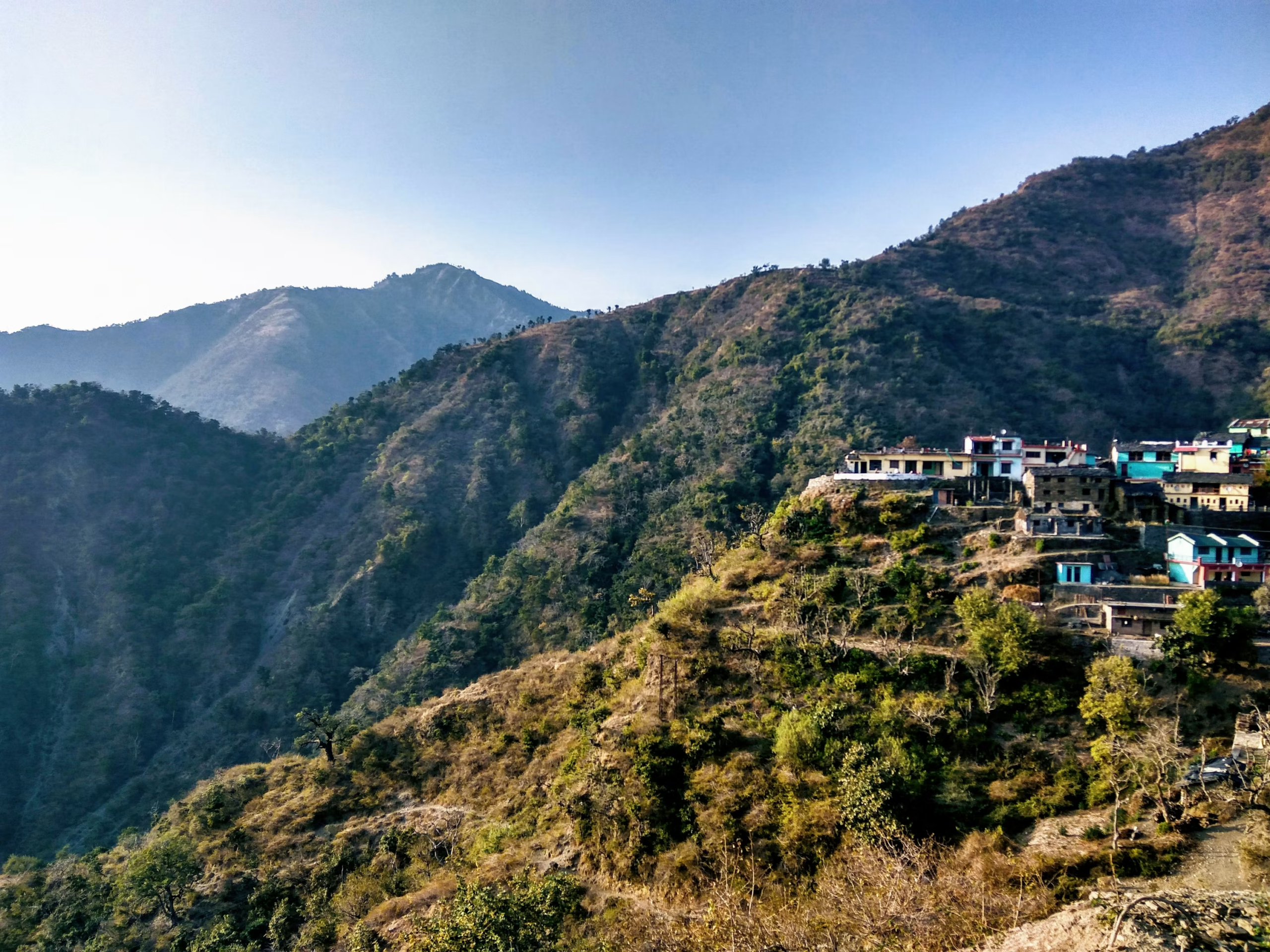
A Himalayan capital should not become another anonymous urban expansion defined only by concrete. Its uniqueness lies in its relationship with the mountains, forests, educational institutions, cultural diversity, and ecological systems that surround it.
This requires a different understanding of public space. Parks should not be viewed merely as open spaces within neighbourhoods. They are social infrastructure where communities build relationships, children develop a connection with nature, elderly citizens find belonging, and diverse populations share common ground.
At the neighbourhood level, civic spaces should provide everyday access to nature and opportunities for social interaction. At the city level, larger parks, restored waterways, forest corridors, and institutional landscapes should function as ecological infrastructure that supports biodiversity, climate resilience, and public wellbeing.
Implementing such a vision requires expertise beyond urban planning alone. Forest departments, ecologists, hydrologists, landscape architects, engineers, social researchers, and local communities must work together. Ecological restoration cannot be reduced to plantation targets. It requires an understanding of native species, soil systems, water cycles, biodiversity, and long-term maintenance.
For civic authorities, this approach also presents an economic opportunity. Well-designed landscapes increase the attractiveness of neighbourhoods, support tourism, strengthen educational and research institutions, and enhance the value of surrounding development. Private developers can become important partners through incentives for better ecological performance, water-sensitive design, tree preservation, and public landscape contributions.
The future of Dehradun should therefore be shaped through a new relationship between ecology and economy. The real question is not whether the city can afford to invest in landscapes, but whether it can afford not to.
A city that protects its ecological systems protects its economy. A city that creates meaningful public spaces strengthens social cohesion. A city that understands and preserves its identity becomes more attractive to residents, investors, and future generations.
Dehradun has the opportunity to demonstrate a new model of Himalayan urban development. It can become a city where landscape is not the leftover space between buildings but the foundation upon which a resilient, culturally meaningful, and economically prosperous future is built.
Saurav Parmar is an architect and urban design professional, with a B.Arch from SPA Bhopal and an MA from the University of London.
Liked this blog? We urge you to support our ongoing advocacy and research efforts by donating us online here: